
Mosbergen also states in her article that "U.S. beekeepers have lost more than 42 percent of their honeybee colonies since 2015." This is the second highest lost rate that beekeepers have had in nine years.
Bee experts however have many ways that everyone can do to lend a helping hand to bees. Even though some bees hibernate in the winter, there are still actions that you can take in the wintertime.

Plan your spring garden!
Its always a good idea to get a head start on planning your garden for the spring, keep the bees in mind. Plant brightly colored flowers, and if available choose plants native to where you live. Crocus and wild lilac are great in the spring! Visit The Honeybee Conservancy website to find out more details on how to plant the perfect garden for the bees!
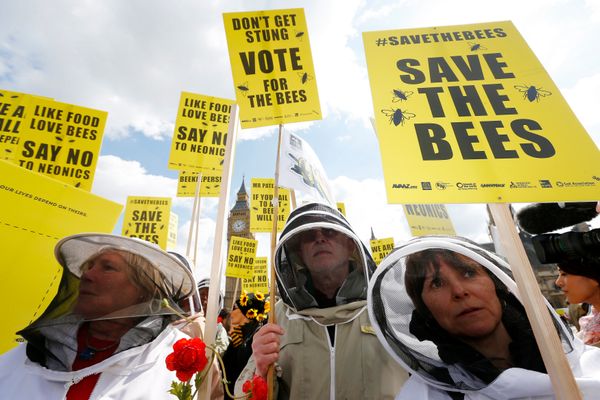
No pesticides or chemicals!
These chemicals can be toxic to the bees. Only use these methods if it is completely necessary. Do not apply chemicals when wildflowers are in bloom. Target the problem area instead of using an aerial application. Do not spray when it is windy, or when you are near water.

Although it is important to buy everything locally. Honey is best to buy local because commercial beekeepers are not as humane. According to Mosbergen Commercial beekeepers may use chemicals on the bee hives and feed their bees high fructose corn syrup.
Another benefit of buying local honey is you can develop an immunity to local pollen. Goodbye allergies!
You can always do your part to help the bee's by donating to the National American Pollinator Protection Campaign.

No comments:
Post a Comment